



Description
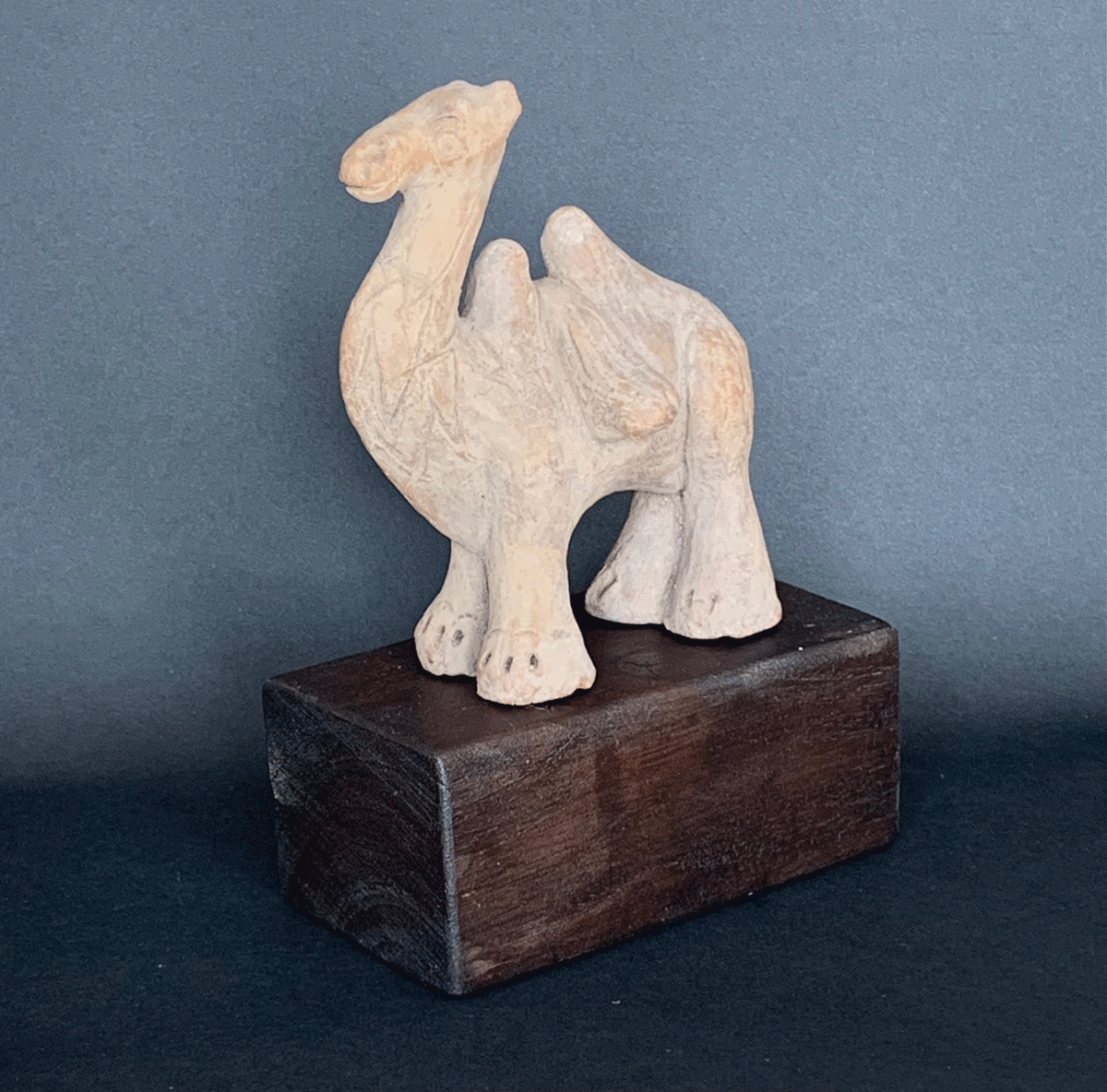
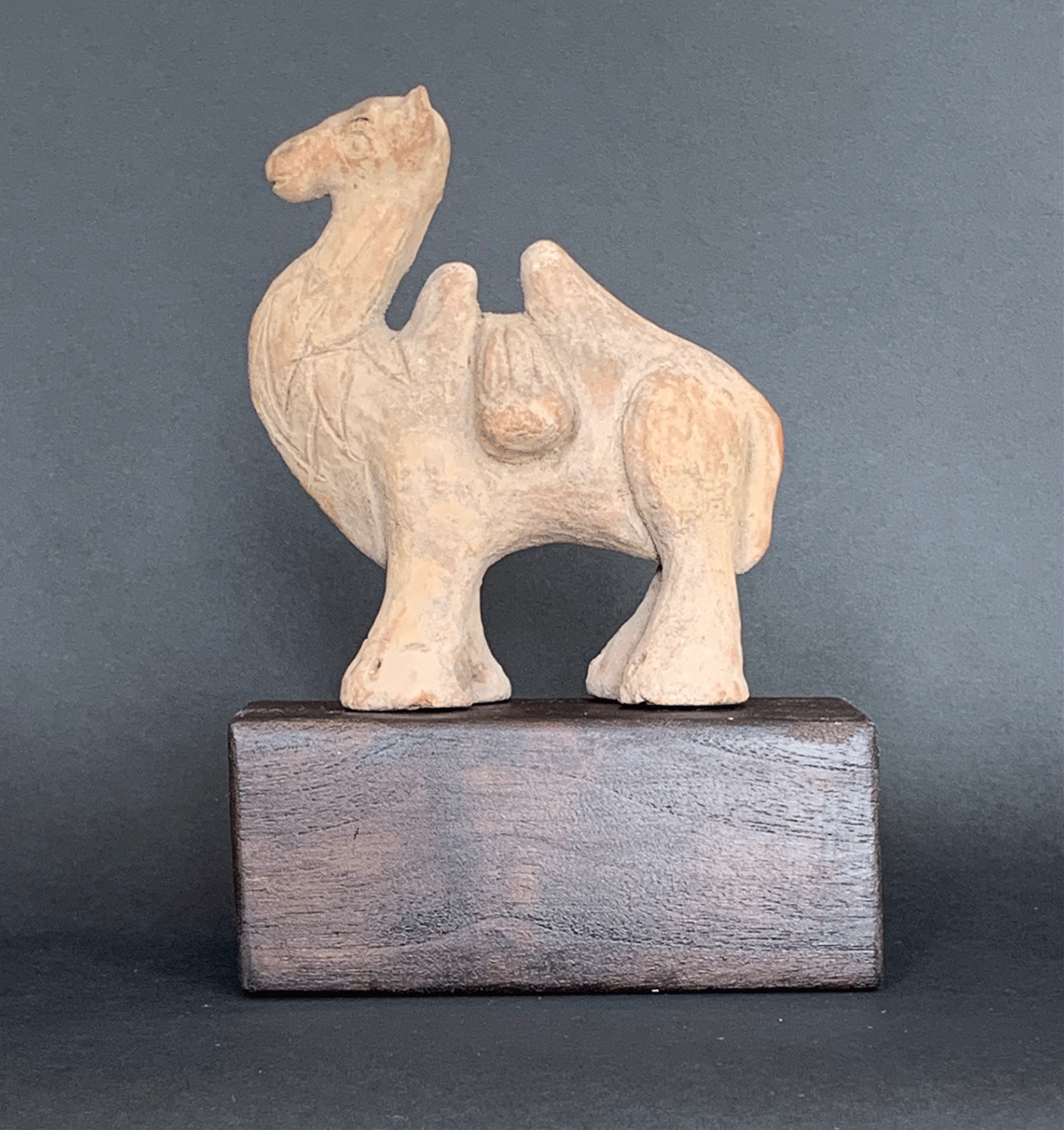
Antique Majapahit 13th Century Terracotta Camel
Region: East Java Indonesia
Period: 13th – 15th Century
Height: 13cm / 5 inches
Length: 12cm / 4.75 inches
Height including stand: 19cm / 7.5 inches
This rarely found terracotta camel is most unique and to be enjoyed as a part of ancient Javanese history. Its antiquity will make an excellent and interesting gift, ideal for desk or shelf display.
The Arabs brought their goods by camel to the region centuries before the Majapahit Empire. There is evidence that in the 12th century Muslim merchants traded in Sumatra and royalty of the island soon after adopted Islam to be found on tombstones.
This Majapahit ancient hand-crafted terracotta camel was excavated amongst the shrines of Mount Penanggungan, East Java. Terracotta pottery was an important craft during the Majapahit era. Many figurines have been found broken, suggesting their use as effigies or religious offerings to the gods for bountiful harvests. It is also thought that they were secular play objects, cast aside once broken. This camel figurine is very rare compared to the many broken artefacts, especially headless figures or heads without bodies.
The Majapahit Empire of Eastern Java flourished during the 13th-16th centuries. It was a powerful and wealthy maritime Empire that controlled most of the trade routes through the Straits of Malacca and the Java Sea.
Additional information
| Country | Indonesia |
|---|


